Effective Financial Planning Tips 2026
Did you know that by 2026, women entrepreneurs are expected to control 32% of total wealth in the United States? With this growing financial influence, it’s essential to harness effective financial planning strategies. Whether you're launching a startup or scaling an established business, the right financial plan can make or break your success.
Understanding Financial Planning in 2026
Financial planning in 2026 is about more than just balancing the books. It's about strategic growth and sustainability. In our experience, the most successful women entrepreneurs are those who adapt to changing economic landscapes and anticipate future needs. By 2026, a robust financial plan will incorporate digital advancements, market trends, and personalized strategies.
Startup Financial Tips for New Entrepreneurs
If you're starting a new venture, the financial landscape might feel overwhelming. We've found that focusing on these startup financial tips can help you navigate the initial phases:
- Create a Detailed Budget: Outline your expected expenses and income. Tools like QuickBooks or Xero can simplify this process.
- Secure Adequate Funding: Consider options like crowdfunding, angel investors, or small business loans. Platforms such as Kickstarter or AngelList are worth exploring.
- Monitor Cash Flow: Regularly review your cash flow to avoid unexpected shortfalls. Apps like Float can provide real-time cash flow forecasts.
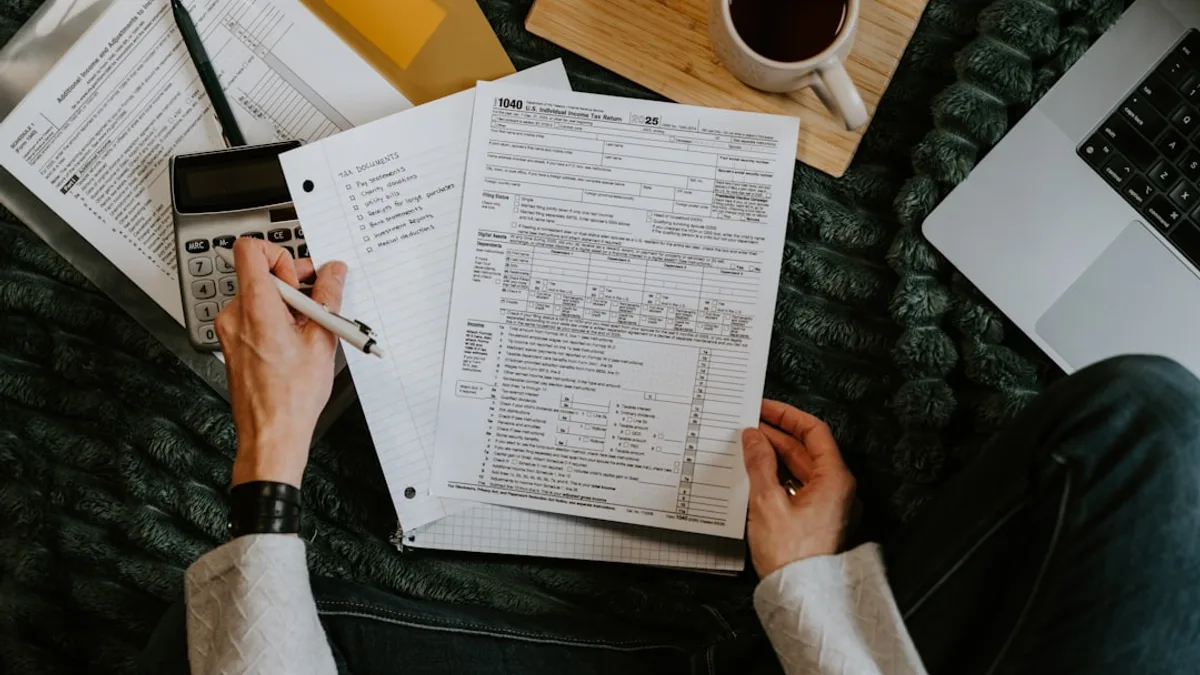
- Plan for Taxes: Set aside funds for taxes to avoid last-minute surprises. Hiring a certified accountant can be a wise investment.
Smart Investment Strategies for Women Entrepreneurs
Investing wisely is a key component of financial planning in 2026. As women entrepreneurs, leveraging smart investment strategies can significantly impact your business's growth and stability. We recommend:
- Diversify Your Portfolio: Don't put all your eggs in one basket. Consider a mix of stocks, bonds, and mutual funds.
- Invest in Your Business: Reinvest profits into areas that will drive growth, such as technology or product development.
- Stay Informed: Keep up with market trends. Resources like Bloomberg or The Wall Street Journal can provide valuable insights.
- Consult with Financial Advisors: A professional can offer personalized advice and help you create a long-term investment plan.
Budgeting Tools and Resources for 2026
Budgeting is a non-negotiable part of financial planning. The good news is, technology has made it easier than ever to manage finances. Here are some tools we recommend:
| Tool | Features | Price |
|---|---|---|
| Mint | Track expenses, set budgets, free credit score | Free |
| YNAB (You Need A Budget) | Personal finance software, proactive budgeting | $84/year |
| Honeydue | Budgeting for couples, bill reminders | Free |
Building a Financial Safety Net
Unforeseen circumstances can derail even the best-laid plans. Building a financial safety net is crucial for long-term success. We suggest the following steps:
- Emergency Fund: Aim to save at least three to six months’ worth of expenses.
- Insurance: Consider business insurance coverage for property, liability, and employee-related risks.
- Retirement Savings: Don’t neglect your future. Contribute to a retirement account like a SEP IRA or a solo 401(k).
The Role of Technology in Financial Planning
Technology plays an integral role in modern financial planning. In 2026, digital tools and platforms can streamline many aspects of financial management:
- Automated Accounting: Software like Wave or FreshBooks can automate invoicing and expense tracking.
- AI Financial Advisors: Robo-advisors such as Betterment or Wealthfront offer personalized investment advice at a fraction of the cost of traditional advisors.
- Blockchain and Cryptocurrency: Consider the implications of digital currencies and blockchain technology for secure, transparent transactions.
Frequently Asked Questions
What are the main financial challenges for women entrepreneurs in 2026?
Access to funding remains a significant challenge, along with maintaining cash flow and financial literacy gaps. Leveraging networks and financial education can mitigate these issues.
How can I improve my financial literacy as a business owner?
Consider online courses from platforms like Coursera or Udemy, and attend workshops or webinars tailored to entrepreneurs. Networking with other business owners can also provide valuable insights.
What’s the best way to prepare for financial uncertainty?
Building a robust emergency fund, diversifying income streams, and maintaining flexible budgeting practices can help prepare for financial uncertainties.
Are there specific grants available for women entrepreneurs?
Yes, there are several grants available, such as the Amber Grant and the Cartier Women’s Initiative Award. Researching and applying to these can provide much-needed capital.
How do I choose the right financial advisor?
Look for advisors with experience in your industry and credentials such as a CFP (Certified Financial Planner). Personal recommendations and online reviews can also guide your choice.
Financial planning in 2026 requires a blend of traditional wisdom and modern technology. By implementing these strategies, women entrepreneurs can steer their businesses toward sustained growth and stability. Remember, the financial decisions you make today will shape the success of your business tomorrow.